
WPR’s Amy Hunter on Why She’s a Beaver Believer
Share this article:
In addition to being one of our star associates at WPR, Amy Hunter is passionate about beavers—Oregon’s state animal and a keystone species. She puts her passion into action by volunteering with The Wetlands Conservancy (TWC), a nonprofit whose mission is to conserve and steward Oregon’s wetlands. This month, we’re sitting down with Amy to learn more about what got her interested in this dam-building champion.
Q: What first sparked your interest in beavers? Was there a specific moment or experience that drew you to these animals?
A: It all began with a chance viewing of a beaver documentary, “The Beaver Believers,” during the pandemic. Learning about these amazing animals and their outsized impact on our environment, and seeing others who are so passionate about them, made me want to get involved with their conservation. I was an instant beaver believer myself!
Q: How did you discover The Wetlands Conservancy, and what made you decide to officially volunteer with them?
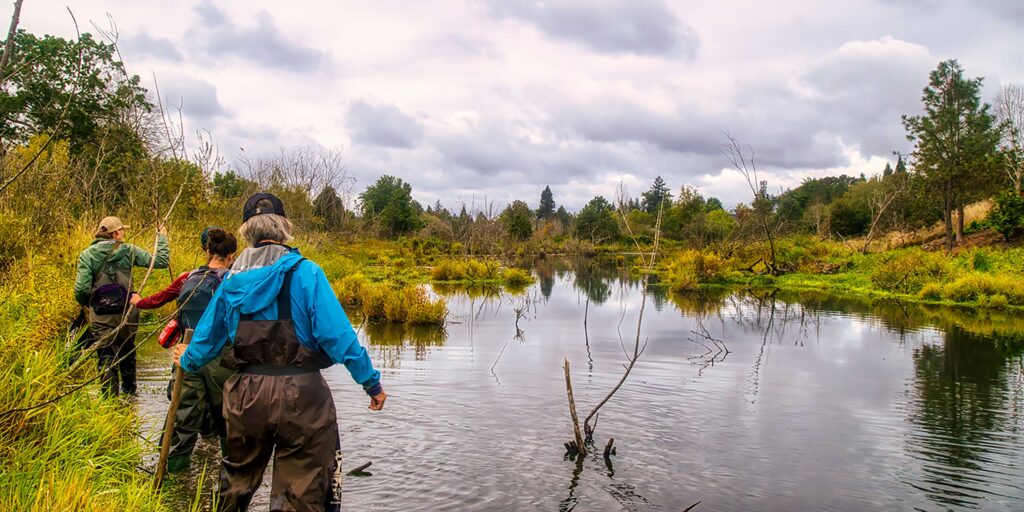
A: To become an effective advocate for beavers, I felt the need to increase my basic ecological knowledge, which led me to Oregon State University Extension Service’s Oregon Naturalist program, where I got my certification in 2023. During our wetlands coursework, I learned about The Wetlands Conservancy and their community scientist programs, which include doing beaver surveys in Portland-area wetlands. Reading about beavers and their habitat is one thing, but there’s nothing like putting on waders and exploring a wetland in person. It’s a bit like snorkeling in an ocean: You are immediately enveloped by another world that is right there and teeming with life, but often invisible to those just passing by.
Q: What’s the most surprising thing you’ve learned about beavers since beginning this work?
A: I didn’t know how vitally important beavers and the wetlands they create are to our ecosystem – now more than ever, in this time of global warming, extreme weather, etc. So much good wrapped in a furry, orange-toothed, 60-pound rodent. For anyone who wants to learn more about them, read Ben Goldfarb’s wonderful book, “Eager: The Surprising, Secret Life of Beavers and Why They Matter.” Fun fact: Beavers are the only animal, other than humans, that engineers its own environment!
Q: Could you explain why beaver conservation is important for our ecosystem? What impact do they have on the environment?
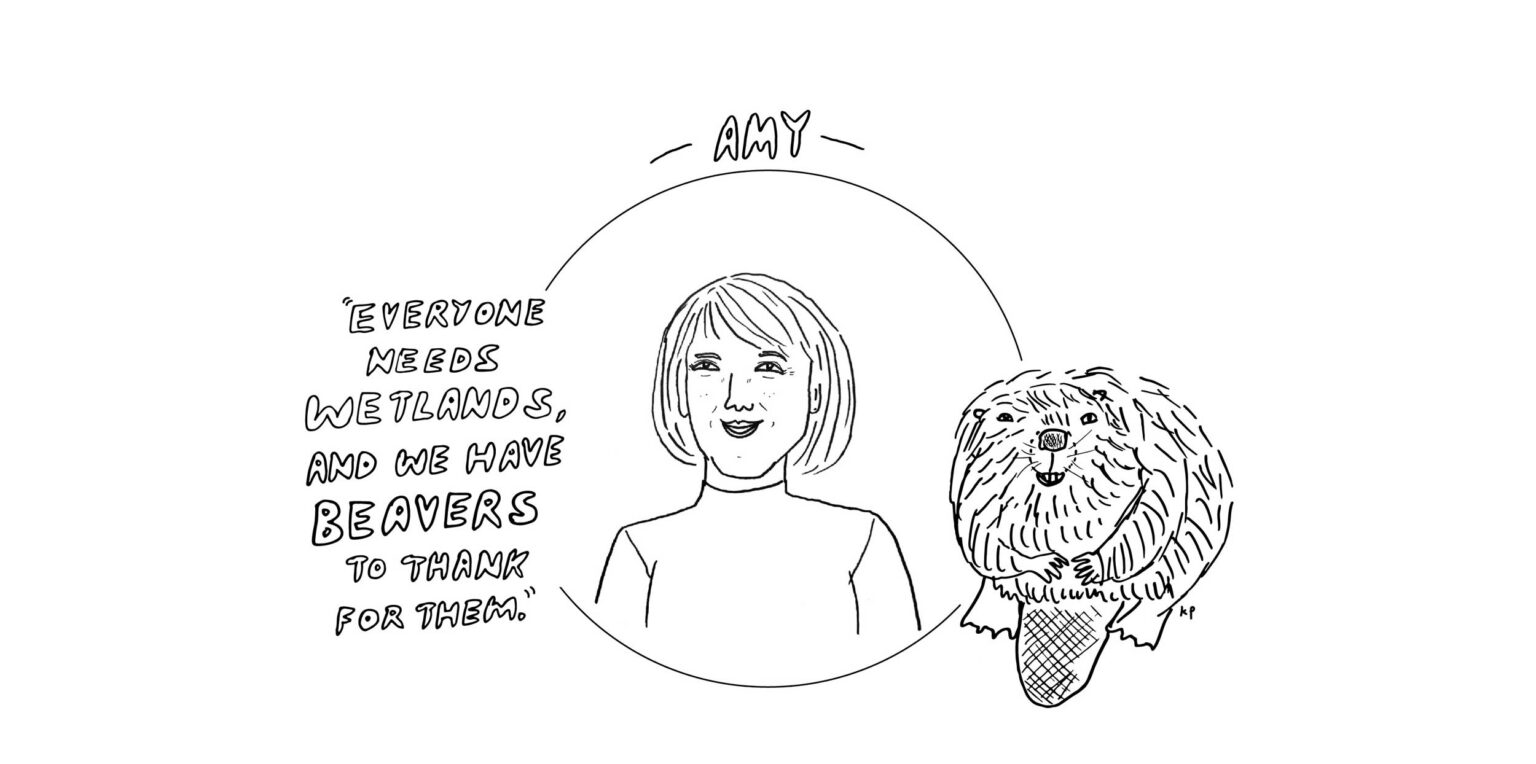
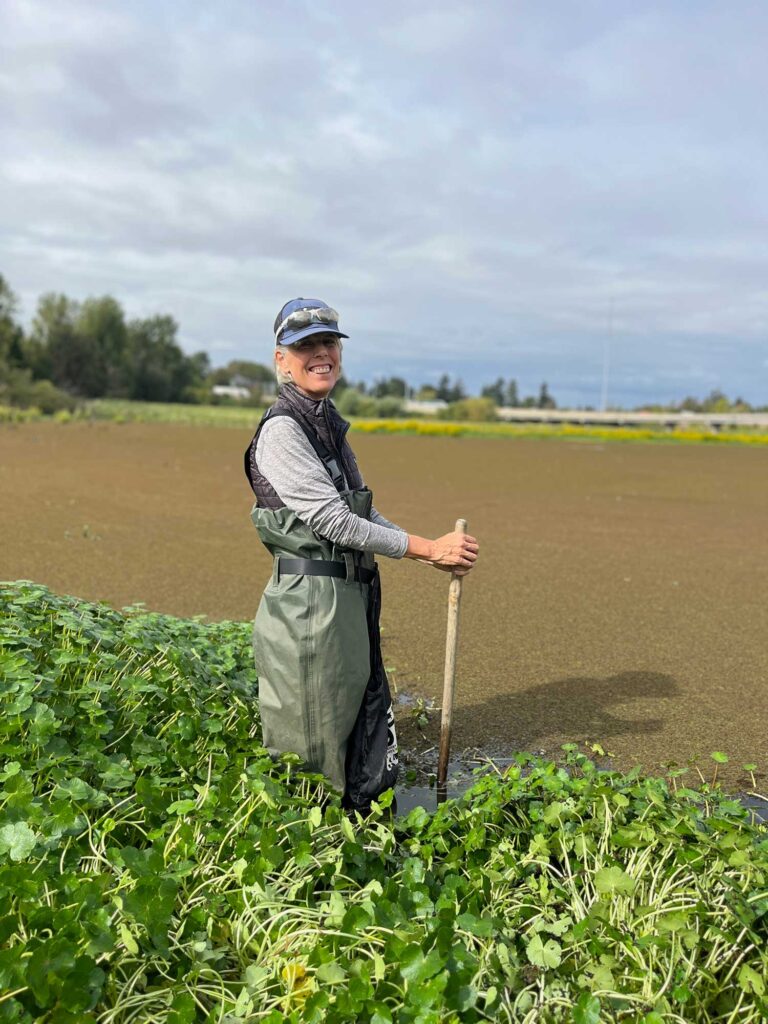
A: Beavers create or enhance wetlands by building dams, and they do that so they can easily swim around and get to the food they need – soft wood trees like aspens and willow. In return, the wetlands they create provide a habitat for a wide variety of species, filter and clean our water supply, and prevent flooding by regulating water flow. Everyone needs wetlands, and we have beavers to thank for them. That’s why they’re a keystone species.
Q: What do you find to be the biggest misconceptions people have about beavers?
A: That they are pests that need to be controlled. While beavers can bedevil homeowners, farmers, or transportation departments by felling beloved trees or causing fields or roads to flood, there are easy ways to mitigate their impact. And letting beavers be beavers can have some remarkable results.
Q: Looking ahead, what goals do you have for your continued work with The Wetlands Conservancy?
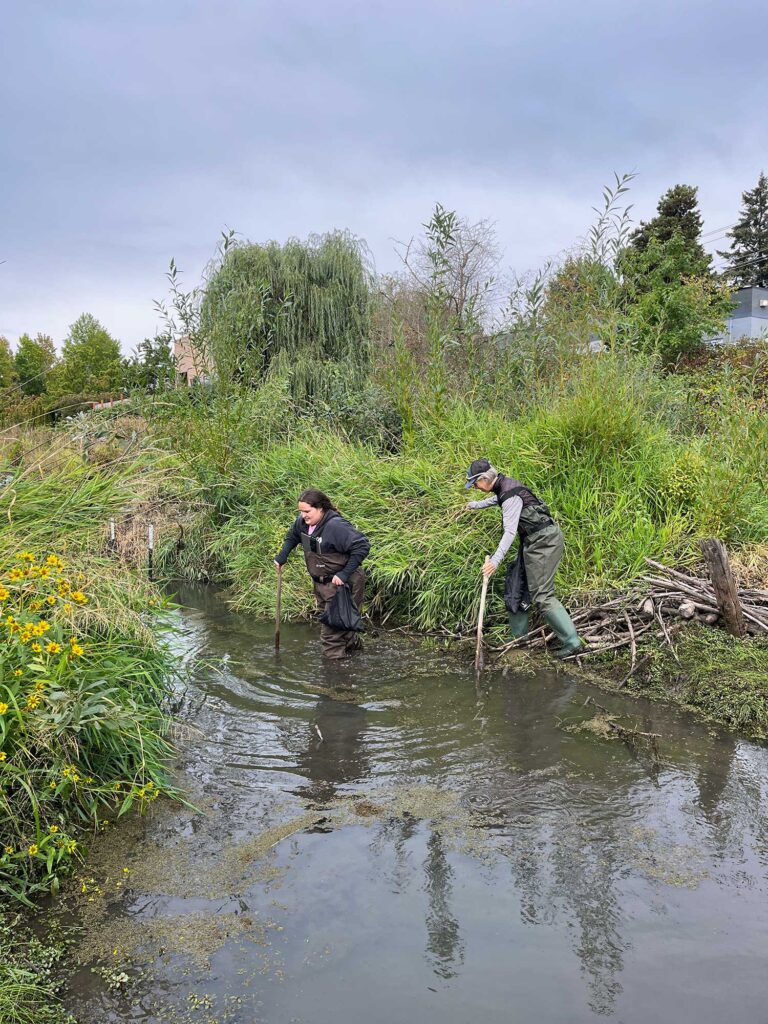
A: While my favorite thing is getting into the wetlands and looking for beaver chew, dams, and lodges, I’m also hoping to apply my PR skills as well, giving TWC some assistance with upcoming organizational news.
Q: What would you say to someone who is interested in getting involved with beaver conservation but doesn’t know where to start?
A: Volunteer at TWC! They offer many opportunities, from the beaver habitat surveys to wetlands cleanup days.
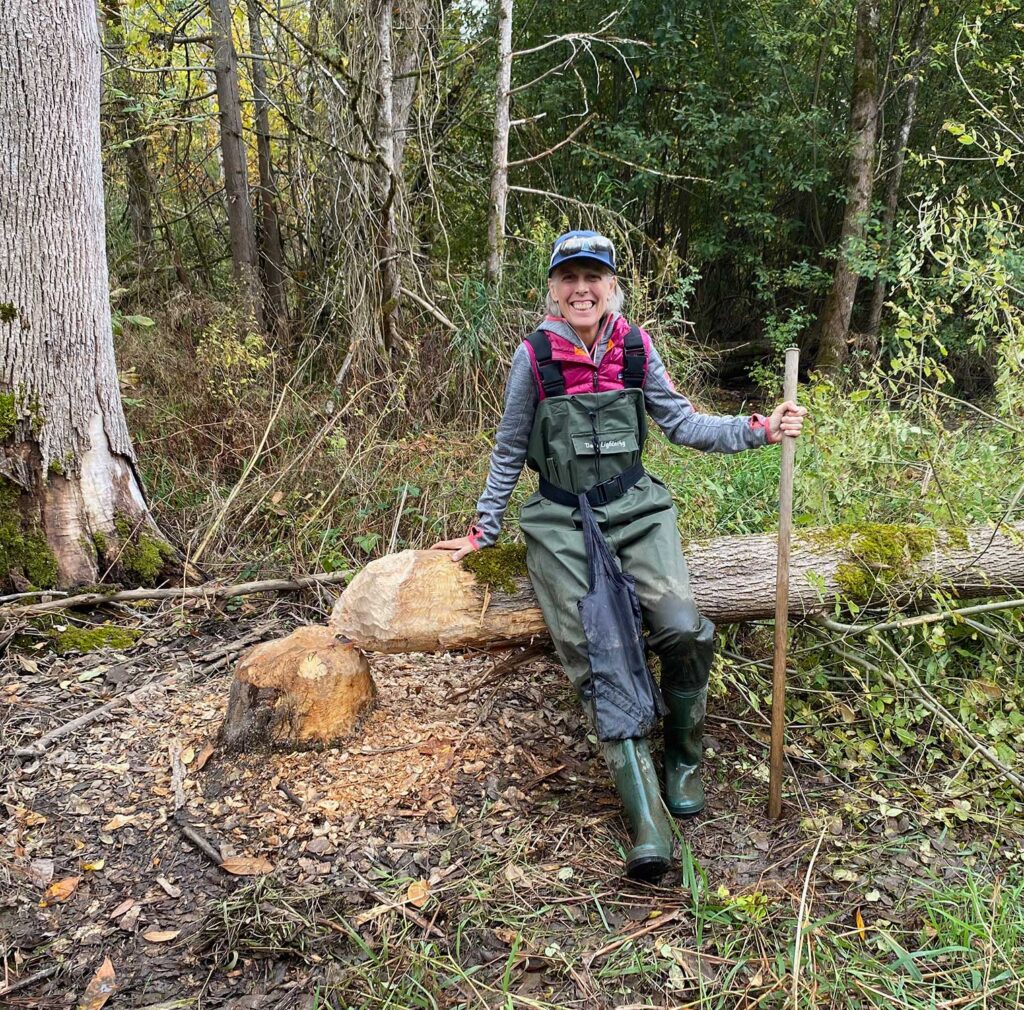
Illustration by bykarlee.com.