
Why Your Brain Is Programmed to Love Videos
WPR has long been a proponent of the power of video to help tell our clients’ stories.
Share this article:
The rise of video has revolutionized how almost every industry markets itself, but perhaps our favorite example is in modern real estate.
Sped-up house tours in which the camera seamlessly chases a well-dressed agent through living rooms, kitchens and outdoor spaces in one long, flashy cut are now ubiquitous across Instagram algorithms.
Humans are programmed to love visuals and video
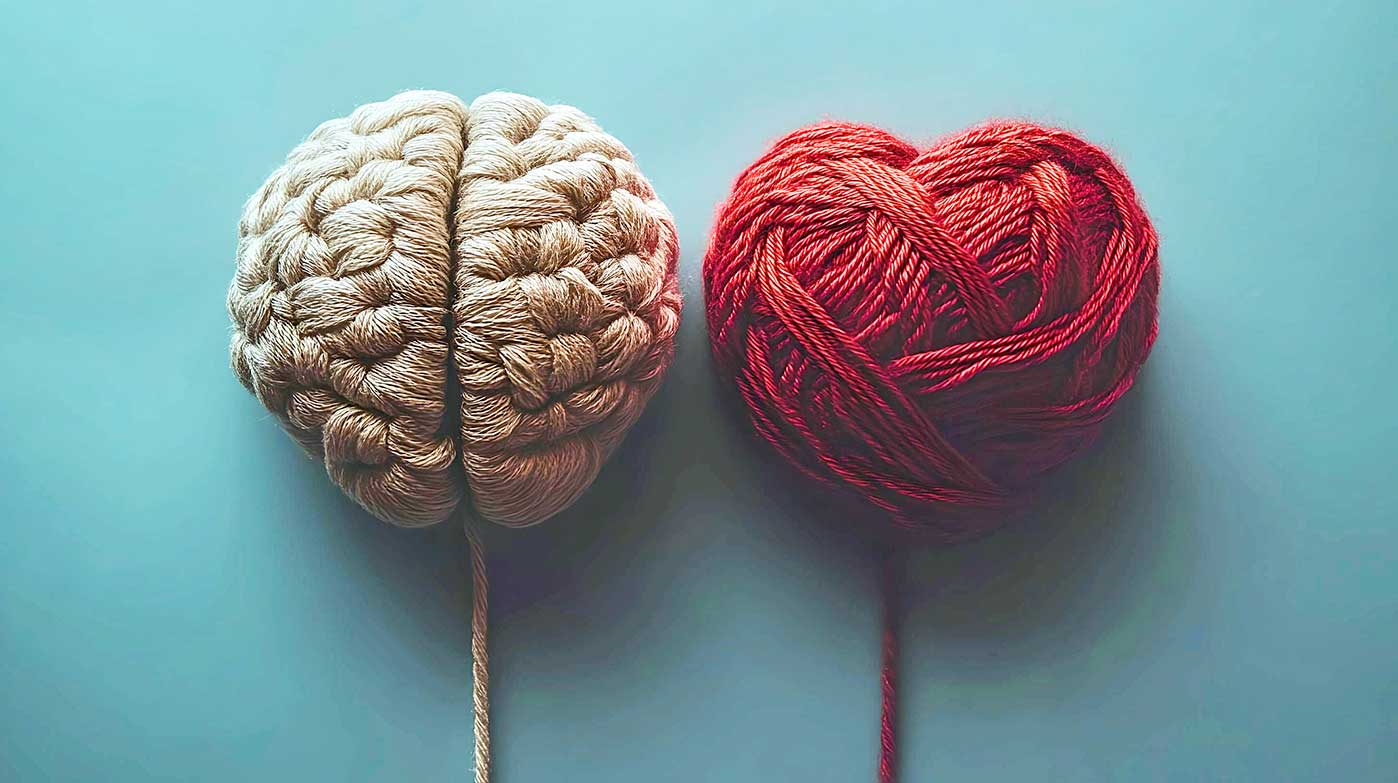
As humans, we are naturally programmed to gravitate toward videos. Visual memories are encoded in the medial temporal lobe, the same place where we primarily process emotions. We can also process visuals faster than text, making video an ideal format for capturing people’s attention in an increasingly fast-paced world and invoking a strong response.
Give us three minutes and you’ll cry (happy!) tears
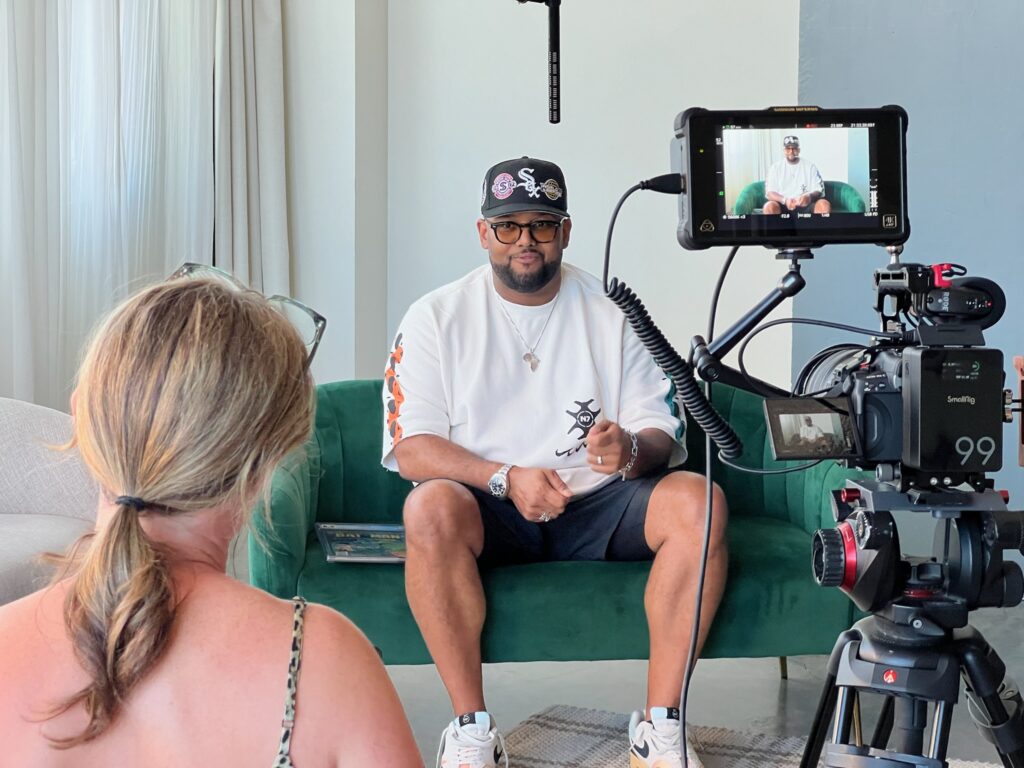
WPR has long been a believer in the power of video to help tell our clients’ stories, but a recent partnership with OHSU Doernbecher Children’s Hospital and Nike stands out as a shining example of this medium’s effectiveness.
Doernbecher’s “Freestyle” program pairs young patients with Nike designers to create unique shoes for charity. This was the 20th year of Freestyle, and in total sponsors and supporters raised over $1.5 million for the Portland-based children’s hospital.
It was an honor for WPR to help tell the incredible stories of these six children and their families through these powerful videos. Take a few minutes to meet them, keep the tissue box close, and surrender to the scientific storytelling power of video.