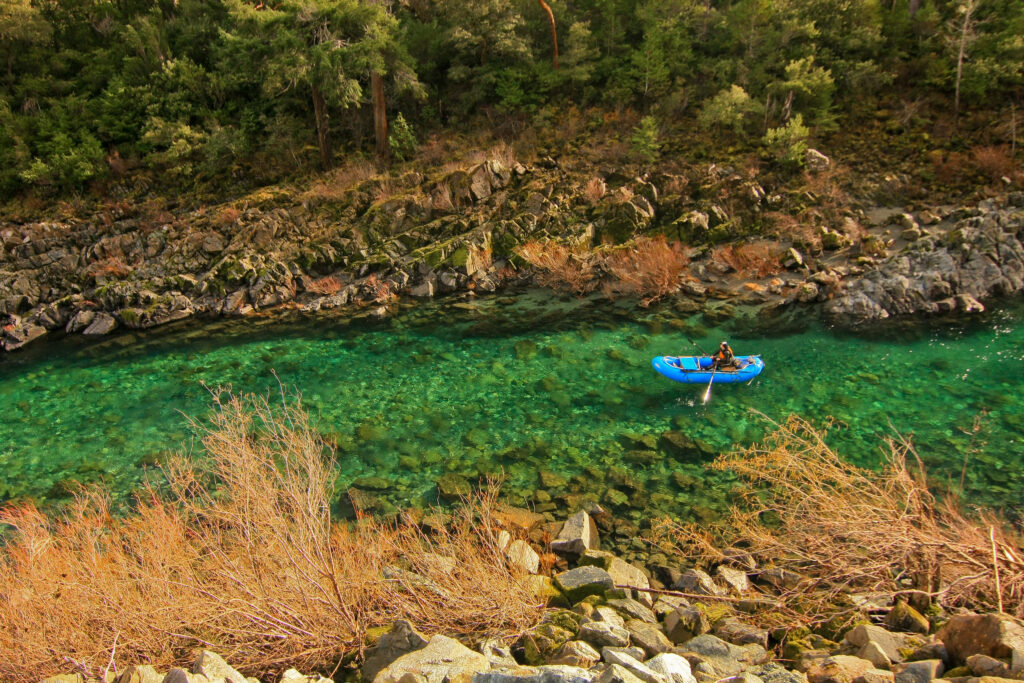
What a Salmon Sees: Inside the Giant-Screen Journey of Running Wild
Share this article:
One of my favorite parts of our work is getting to step inside the worlds of our clients. Through our recent work with Portland’s Wild Salmon Center, that meant learning about wild salmon, a subject I’ll admit I knew very little about when we started.
Well, I know a lot more about it now!
Following the Salmon’s Journey
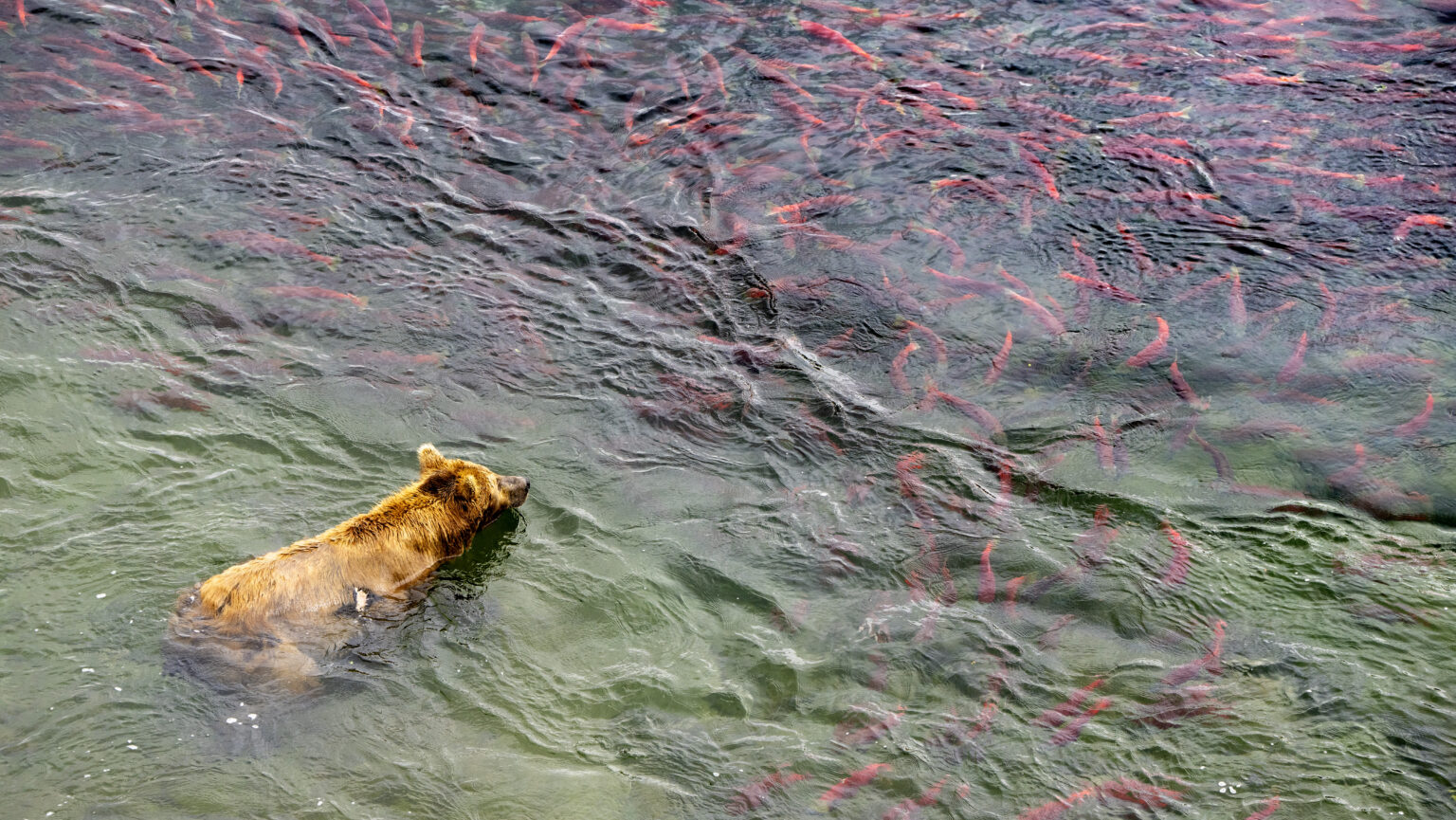
These are tough, mysterious, wildly important fish with one of the most extraordinary life cycles on the planet. Did you know that some wild Pacific salmon travel as far as 3,000 miles through the North Pacific before returning, with astonishing precision, to the same rivers and streams where they were born? Their return shapes entire ecosystems. And the people working to protect them share some of that same resilience.
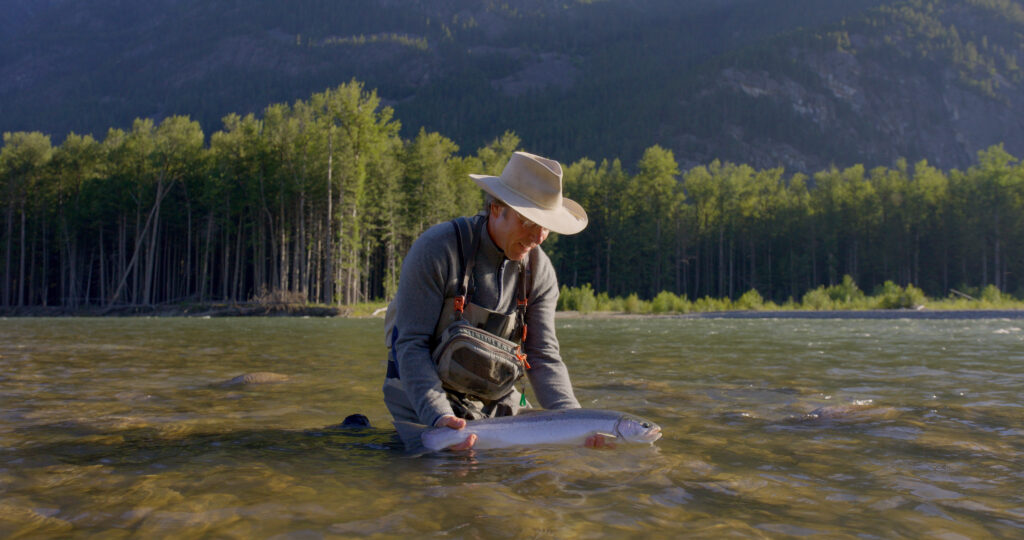
One of those people is Guido Rahr, Wild Salmon Center’s president and CEO, an Oregon-raised conservation leader with an international reach. Guido spent boyhood summers watching steelhead return up the Deschutes River to the same spawning gravel where they originated. By adulthood, he had become one of the world’s most accomplished fly fishermen – and eventually one of wild salmon’s most devoted advocates.
But how do you inspire a critical mass of people to believe in, and invest in, a cause like wild salmon?
For Guido, the answer has always been to bring people as close as possible to the places worth protecting: the wild, thriving river systems he calls “salmon strongholds.” These rivers are among the most ecologically rich places left on the planet, comparable in their importance to the world’s great coral reefs.
The idea is simple and deeply true: People protect what they can see, experience and understand. And, if you can’t bring everyone to the river, bring the river to them.
From River to Screen
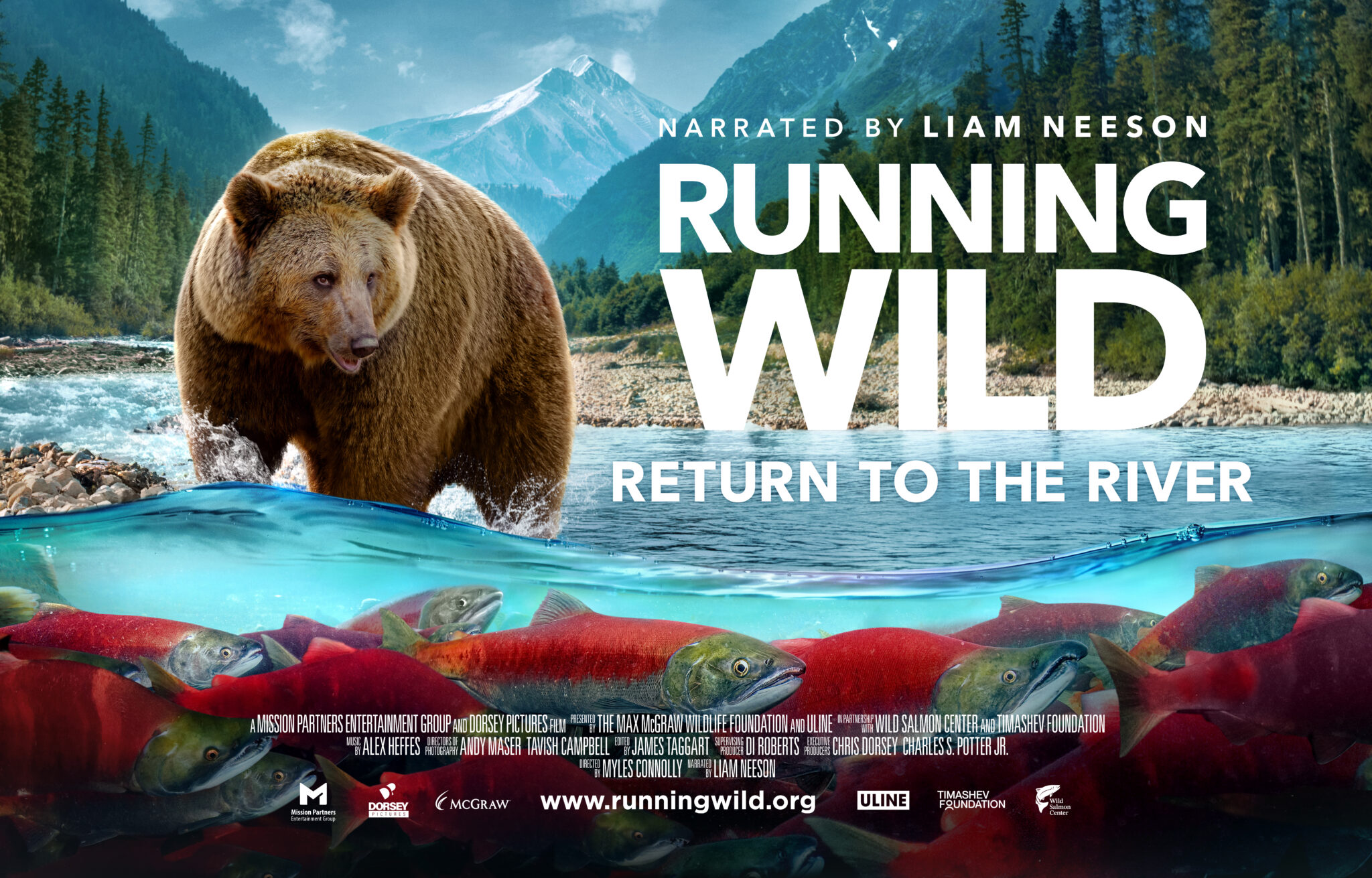
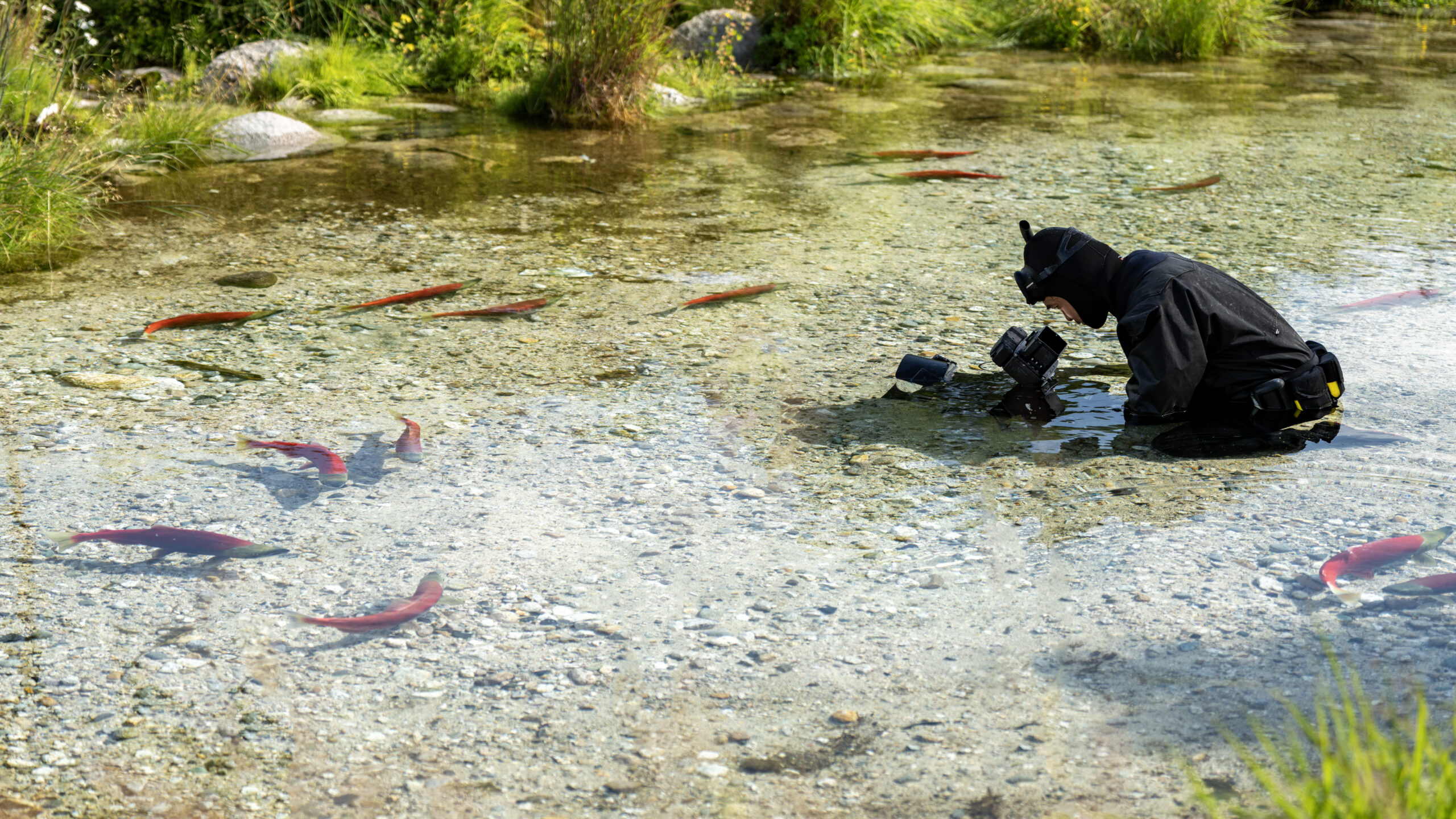
That is why the team at Wild Salmon Center acted as the conservation partner in creating Running Wild: Return to the River. The recently released 3D and giant-screen film, narrated by Liam Neeson, brings viewers alongside wild Pacific salmon as they move through rivers and oceans. It is immersive and cinematic, with waves that seem to crash toward the audience and extraordinary, up-close footage that reveals wild salmon in ways few of us ever get to see. Learn more about the film and theater locations at runningwild.org.
Watch the Trailer: Running Wild: Return to the River
Wild Salmon Center’s work is grounded in a deceptively simple idea: Protect the healthiest wild salmon rivers before they are pushed to the brink. Protect what is still healthy and working. Protect the places where wild salmon still have a fighting chance.
Here in the Pacific Northwest, that story carries a particular weight. Salmon are not just another species in need of saving. They are a heritage species, central to tribal cultures and treaty rights, local economies, family fishing traditions, culinary menus, school field trips, public art and the basic identity of this place. When the rivers where wild salmon congregate are lost, they are politically and economically expensive to reclaim.
Helping a Conservation Story Travel Farther
WPR is proud to support Wild Salmon Center in sharing this story with media, helping bring the narrative and key messaging to life. At its best, communications is not just about visibility. It is about connection, finding the human doorway into complex work, helping people understand why it matters and creating a moment where a story can travel farther.
And if audiences leave the theater seeing salmon differently, then the story has done what great stories do: It has brought us closer to something worth protecting.